
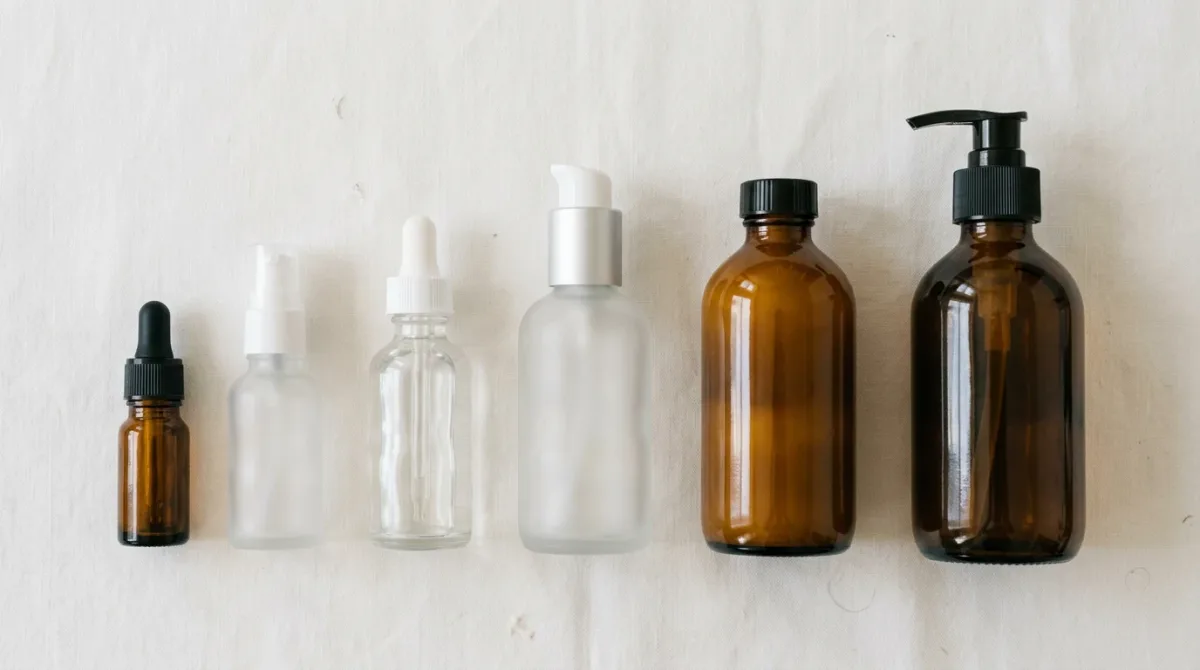
Skincare layers from thinnest to thickest: cleanser, toner, treatment serum, eye cream, moisturizer, then sunscreen. The one exception is prescription-strength retinoids and acids, which dermatologist Amy Forman Taub, MD, of Northwestern University Medical School, recommends applying right after cleansing, before the rest of the routine falls back into thin-to-thick order.
The logic is mechanical, not mystical. A thick cream applied first can coat the skin and block a watery serum from reaching it afterward, so lighter, water-based formulas go on before heavier, oil-based ones. It is the order most step-by-step routines in dermatology offices and skincare guides converge on, even when the products themselves vary from one shelf to the next.
Why does the order of application matter?
Each layer is formulated to sit at a certain depth. Thin, water-based products such as toners and serums are meant to soak into the skin's surface; thicker creams and oils are meant to sit on top and seal moisture in. Layering out of order does not make a product harmful, but it can make it less useful — a heavy moisturizer applied before a serum simply gives the serum nowhere to go. WebMD's rounded-up expert guidance describes the general rule as applying products "from thinnest to thickest," with active-ingredient treatments as the built-in exception.
What is the correct step-by-step order?
Follow this sequence for a standard morning routine. Not every step applies to every skin type or budget, and skipping a step is normal — the order matters more than the number of products.
- Cleanser (30-60 seconds). Removes overnight oil and product residue so nothing else has to fight through a dirty surface. This is the non-negotiable first step in every version of the routine.
- Toner, if used (10-15 seconds). A liquid step that preps and lightly hydrates skin before treatment products go on. Healthline's routine guide lists a toner or astringent as step three, directly after cleansing.
- Active treatment or serum (apply, then wait). Prescription retinoids, and over-the-counter retinol, glycolic acid, salicylic acid, or brightening acids, go on while skin is clean and bare. Dr. Taub advises applying these first, "followed with other products for soothing or moisturizing, from thinnest to thickest." Healthline recommends waiting roughly 30 seconds between layered products so each one has a moment to settle before the next goes on.
- Eye cream (light tapping motion). A lighter formula than face moisturizer, applied to the thinner skin around the eyes before heavier creams arrive. Healthline's order places eye cream between treatment serums and moisturizer.
- Moisturizer (a dime-sized amount, applied to slightly damp skin). Seals in the water-based steps underneath it. WebMD notes that applying moisturizer or serum while skin is still a little damp helps active ingredients absorb more effectively.
- Sunscreen, last (broad-spectrum SPF 30 or higher). Mayo Clinic is direct on this point: "Apply sunscreen as the last step in your skin care routine, before applying makeup." Sunscreen is a protective film, not a nourishing step, and putting anything on top of it — other than makeup — can compromise that film.
Do you need to wait between each product?
A short pause helps, but it doesn't need to be long. Healthline's guidance suggests waiting about 30 seconds between layered products so each has a chance to settle before the next is applied on top, rather than rushing every step on at once. For thicker treatment creams, some routines call for a longer pause of a few minutes, but for a basic cleanser-to-sunscreen sequence, seconds are enough.
Does the order change between morning and night?
The core logic — thinnest to thickest, actives first — stays the same, but two steps swap in and out. Sunscreen is a daytime-only final step; at night, that slot is typically taken by a heavier night cream or facial oil, since there's no UV exposure to guard against. A double cleanse (an oil-based makeup remover followed by a water-based cleanser) is also more common at night, to clear the day's sunscreen and makeup before treatment products go on.
| Step | Morning | Night |
|---|---|---|
| 1 | Cleanser | Makeup remover, then cleanser |
| 2 | Toner (optional) | Toner or hydrating mist (optional) |
| 3 | Active treatment/serum | Active treatment/serum |
| 4 | Eye cream | Eye cream |
| 5 | Moisturizer | Night cream or facial oil |
| 6 | Sunscreen | — |
What are the most common layering mistakes?
A few habits undercut an otherwise solid routine. Applying moisturizer before an active treatment blocks the treatment from reaching skin at all — the cream sits on top, and the serum underneath never gets past it. Skipping sunscreen, or putting it on before moisturizer instead of after, is another frequent one; Mayo Clinic's guidance is specific that sunscreen belongs last, right before makeup, not folded in earlier for convenience.
Storage mistakes also show up here, particularly with vitamin C serums. Mayo Clinic notes that vitamin C products need to be kept in cool, dark conditions and sealed tightly after each use, since light and heat exposure weaken the active ingredient over time — a product can be layered correctly and still underperform if it degraded on the shelf first.
How long before a new routine shows results?
Patience is part of the routine, not a footnote to it. Mayo Clinic estimates about six weeks of consistent daily use before over-the-counter products like niacinamide, bakuchiol, or azelaic acid show a visible difference, and cautions that even then, the improvement from an over-the-counter product tends to be modest rather than dramatic. WebMD's expert sourcing puts the window slightly wider, at six to twelve weeks, for a new routine to show its full effect.
Introducing every new product at once makes it hard to tell what's working — and if something reacts badly, harder to tell what caused it. Healthline's guidance recommends patch-testing a new product for 24 hours before adding it to the full routine, on a small area like the inner arm, before it goes anywhere near the face.
Frequently asked questions
Do you really need to wait between skincare steps?
A short pause helps. Healthline's routine guidance suggests roughly 30 seconds between layered products, giving each one a moment to settle before the next goes on top, rather than applying everything back-to-back in one motion.
Should sunscreen go on before or after moisturizer?
After. Mayo Clinic is explicit that sunscreen is the last step in a skincare routine, applied right before makeup, not layered underneath moisturizer or earlier in the sequence for convenience.
Do retinol and acids go on before or after moisturizer?
Before. Dermatologist Amy Forman Taub advises applying prescription retinoids and acids like glycolic or salicylic acid directly after cleansing, then layering soothing or moisturizing products afterward from thinnest to thickest.
How long until a new skincare routine shows results?
Mayo Clinic estimates around six weeks of consistent use for over-the-counter actives to show a modest difference; WebMD's expert sourcing puts the window at six to twelve weeks depending on the product and skin type.
Do new skincare products need a patch test first?
Yes. Healthline's guidance recommends testing a new product on a small area, such as the inner arm, for 24 hours before applying it to the face, to catch a reaction before it happens on visible skin.
For a related skincare perspective, read How to patch test a new skincare product.
For more context, read Complete Guide to Building a Sustainable Wellness Routine.
For more context, read makeup coverage.
For more context, read How to Layer SPF Under Makeup So It Actually Stays.