Health translates clinical information for adults managing their own care: what a condition involves, how it gets diagnosed, which treatments exist, and what each demands in time and money. Articles cite guidelines directly and identify the questions worth raising at an appointment rather than researching alone at midnight.
Tea Market The market for tea is expanding as a result of growing consumer health concerns . Furthermore , the growth of the tea market is greatly influenced by the innovation and growth in R & D. ” — Allied Market ResearchPORTLAND , 5933 NE WIN SIVERS DRIVE , #
Vitamin Guide The rising penetration of online pharmacies coupled with the growing consumer awareness and demand for the vitamin supplements among the geriatric and adult population is expected to boost the market. ” — Allied Market ResearchPORTLAND , 5933 NE WIN SIVERS DRIVE , # 205 , OR 97220 ,
The accommodation process is a conversation the law requires both sides to join — and it starts with a request an employee does not have to put in perfect legal words.
Federal law doesn't require a magic phrase to trigger a disability accommodation at work — just a plain request. Here's what the process actually looks like, and where it can still break down.
The Federal Trade Commission and the Justice Department ’ s ( DOJ ) Antitrust Division jointly launched a public inquiry to identify serial acquisitions and roll-up strategies throughout the economy that have led to consolidation that has harmed competition.In a joint Request for Information , the agencies are seeking information
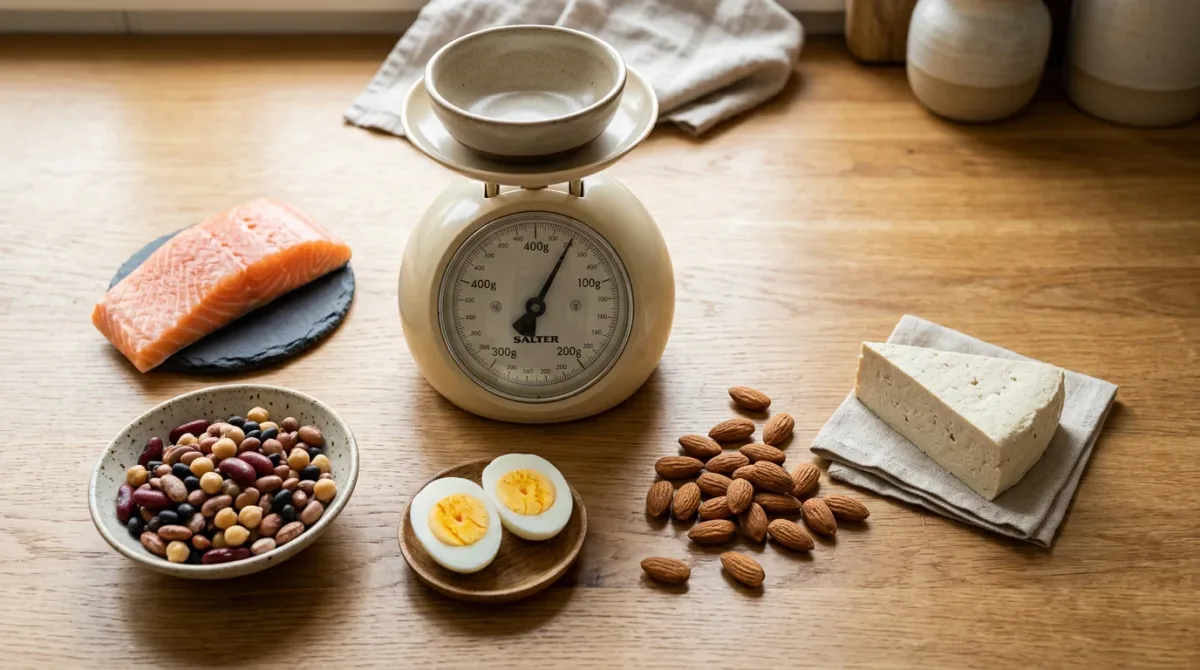
The government's protein number is easy to find and easy to misread. Here's what the official RDA actually covers, where the acceptable range goes much higher, and what the evidence does not settle.
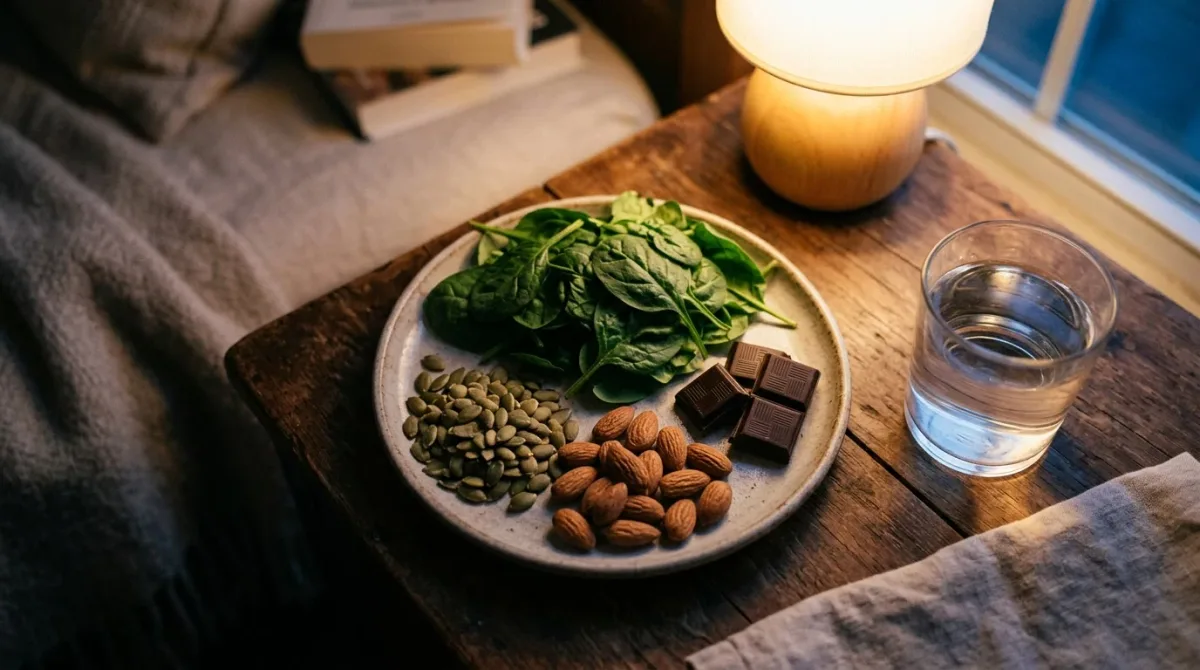
Magnesium powers hundreds of the body's core chemical reactions, from energy production to stress-hormone regulation. Here's what NIH and peer-reviewed research actually say about how it works, how much you need, and where it comes from.
Sleep researchers point to a specific mechanism: morning light shifts your internal clock earlier, while evening light shifts it later. Here's what the evidence actually shows.