
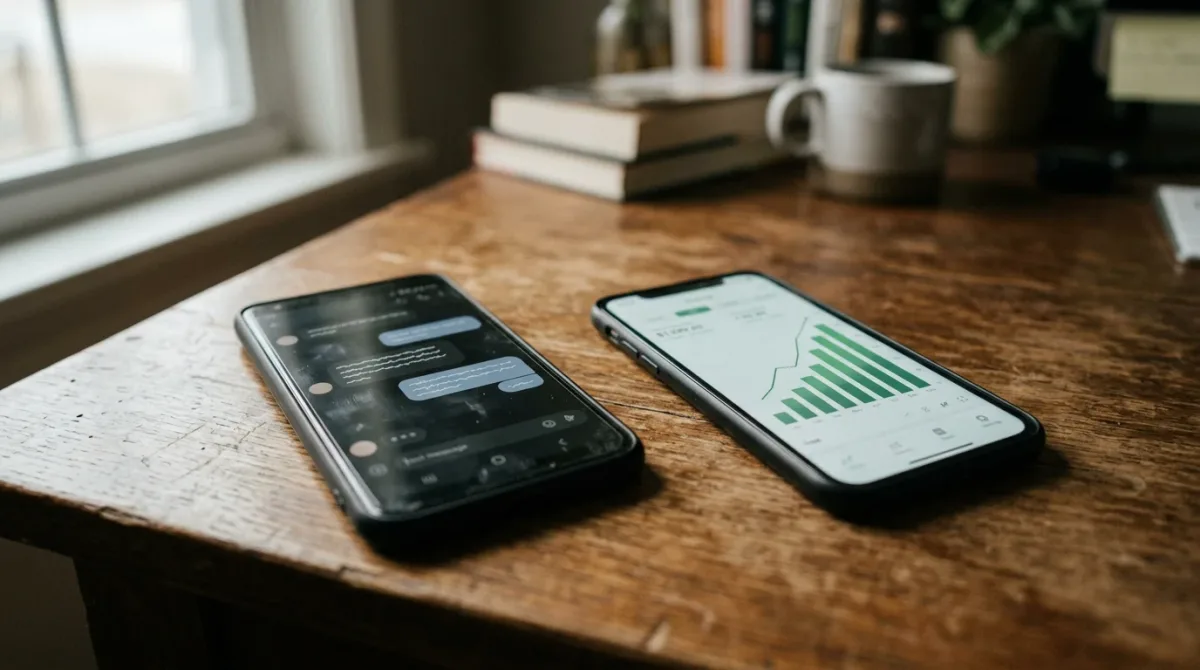
A pig butchering scam is a long-running investment fraud where a stranger builds what feels like a real friendship or romance with you over days or weeks, then steers you toward a fake cryptocurrency trading platform that shows fabricated profits before disappearing with everything you deposited. The U.S. Treasury's financial-crimes bureau, FinCEN, says the scheme has cost American victims billions of dollars.
Unlike a rushed phishing text asking you to click a link right now, this scam is patient. That patience is the point: the longer the con runs, the more trust it builds, and the more money the victim is eventually willing to send. That patience also makes the scam hard to recognize from the inside; it rarely feels like fraud until the final, irreversible step.
Where does the name come from?
The name describes the shape of the scam, not a real farm: a victim's trust and account balance are built up, or "fattened," over time before being taken in one final move. FinCEN used the term in the title of a September 2023 alert to banks and crypto firms, warning that the scheme was driving a sharp rise in reported losses.
How does the scam actually unfold?
According to FinCEN's alert, the scheme generally moves through four stages. First, the scammer makes contact — often through a text message that looks like it was sent to the wrong number, a dating app match, or a social media message — and spends time building rapport before money ever comes up. NPR's Planet Money podcast, reporting in May 2025, described one real example of that opening move: journalist Zeke Faux received a text reading "Hi David, I'm Vicky Ho. Don't you remember me?" from a number he'd never had contact with.
Second, once trust is established, the scammer introduces the idea of a lucrative cryptocurrency investment and directs the victim to a platform that looks like a legitimate trading app or exchange. Third, the account shows fabricated gains — sometimes the scammer even allows a small, real withdrawal, specifically to build confidence before asking for larger deposits. Fourth, when the victim tries to cash out for good, the platform demands additional payments, often described as taxes or fees. Refuse to pay and the operators disappear, taking the deposited funds with them. Investigators note that the fake trading interface itself is often the most convincing part of the con: it can display live-looking price charts, deposit confirmations, and a rising balance, none of which reflects money actually invested anywhere.
Why can't the money just be sent back?
The fraudulent platforms are built to move money out of reach quickly. In a case detailed in a U.S. Justice Department press release, a scheme running from August 2022 to July 2023 used a domain designed to look like a real exchange; funds a Warren County, New York victim deposited were transferred through multiple bank accounts to obscure the trail before the U.S. Secret Service seized the domain in May 2024. Court records in that case put the victim's loss at $341,000. FinCEN's alert cites a separate case in which more than $10 million was taken from five victims through similarly spoofed websites — a reminder that recovery, once funds move, is difficult and far from guaranteed.
What are the warning signs?
FinCEN's alert groups red flags into three categories that banks and crypto platforms are trained to watch for, and that are just as useful for spotting the scam yourself.
- Behavioral: an unsolicited investment tip from someone you only know online, sudden new interest in crypto investing from someone who has never mentioned it before, or visible anxiety about being able to access supposed investment funds.
- Financial: liquidating savings or retirement accounts early, taking out a home equity loan specifically to buy crypto, or a long-dormant account suddenly showing large, frequent transfers.
- Technical: logins from unfamiliar devices or locations, a clunky or recently registered website, and apps downloaded from outside official app stores.
A platform that shows steadily rising paper profits but resists real withdrawals, or asks for an extra payment before you can cash out, is not showing you a fee — it's showing you the scam's final stage. Family members and friends sometimes notice the change in behavior before the victim does, which is one reason financial institutions are trained to ask questions when a customer suddenly moves large sums into crypto. Recognizing the pattern early — rather than waiting for a specific red flag to appear — is the most reliable protection, since by the time a single warning sign is obvious, meaningful money may already be at risk.
What should you do if you're targeted, or already sent money?
Stop sending money the moment a platform asks for extra fees or taxes to release your own funds; that request is the clearest sign the scheme is in its final stage. Do not respond further to the contact, and do not follow their instructions to "verify" or "unlock" an account. If you've already sent funds, FinCEN and the Justice Department direct victims to report the loss to the FBI's Internet Crime Complaint Center at IC3.gov, and to the U.S. Secret Service, which has a dedicated cryptocurrency fraud reporting address for these cases. Reporting quickly matters: recovery, when it happens at all, generally depends on investigators tracing funds before they're moved through additional accounts.
None of this means crypto investing itself is a scam — but any offer that arrives through an unsolicited message from someone you've never met in person, promising steady or guaranteed returns, is worth treating as a warning sign rather than an opportunity.
For a related crypto news perspective, read What Are Porcelain Veneers and Why Everyone in Miami Wants Them.
For more context, read Complete Guide to Building a Sustainable Wellness Routine.
For more context, read What Dollar-Cost Averaging Means and How It Works.
For more context, read What Mercury Retrograde Actually Looks Like From Space.